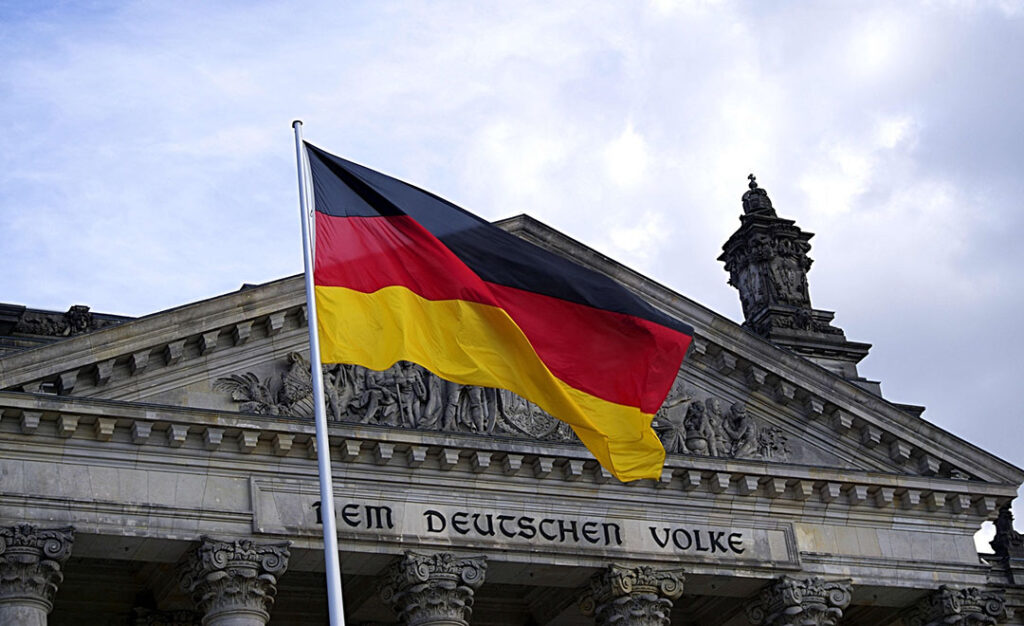
In essence, Germany stands as the largest economy in Europe and the fourth largest globally, representing a harmonious blend of economic strength, cultural richness, and advanced infrastructure, making it an attractive destination for businesses and individuals seeking a high quality of life. This article explores some key aspects of living in Germany.
Politics
Germany is a federal parliamentary democracy known for political stability and efficiency. The Federal Republic consists of 16 states, each with a degree of autonomy. Politically, Germany is characterized by a strong social market economy and a deep engagement in the European Union, which provides the country with significant influence both economically and internationally.
Safety
Germany is considered one of the safest countries in the world. The crime rate is relatively low compared to many other nations, and there is a high level of public trust in the police and judicial system. Public safety is a priority, and thanks to effective laws and a well-organized security strategy, residents and visitors can feel secure.
In the Global Peace Index, which uses various indicators to assess the degree of freedom in 163 countries, Germany is regularly among the highest-ranked countries. It ranked 20th in 2024, within the leading group showing only marginal differences in scores.
Healthcare system
Germany has one of the world’s most advanced healthcare systems, known for its efficiency, comprehensive coverage, and high-quality care. It offers a unique blend of public and private options to meet the diverse needs of its population. All German residents are required to have health insurance. The majority of the population is covered by public health insurance, while private health insurance allows individuals to tailor their coverage to better suit their personal preferences and circumstances.
Educating system
The German educating system is unique in Europe, as it sorts students into different educational paths early on. This system includes five main stages: early childhood, primary, secondary, tertiary, and continuing education. An appealing factor of the German education system is the low tuition fees. Education is free in all public schools and universities, whereas private universities only charge a minimal tuition fee compared to other countries. This makes education more affordable and accessible.
Weather
The weather in Germany varies by region but generally features a temperate climate with distinct seasons. Winters see temperatures around freezing, while summers are pleasantly warm, with temperatures ranging from 20 to 30 degrees Celsius. Regional differences include more frequent rainfall in the west and colder winters in the south and east.
Cultural aspects
Germany and Middle East, despite their geographical and historical differences share impressive cultural heritage, including art, music, and literature while maintaining strong connections to traditions and embracing modernity. This is reflected in their celebrations and festivals, where ancient customs are preserved and celebrated alongside contemporary interpretations. In addition to that, continuous learning and professional development are highly regarded.
Both cultures emphasize on sharing meals as a social bonding experience. The German concept of “Kaffeeklatsch” (coffee and conversation) finds its parallel in Middle East tea ceremonies, both serving as important social rituals. Additionally, both societies share a strong work ethic, precision in craftsmanship, and attention to detail in their professional endeavors.
Transportation
Germany’s public transportation system is one of the world’s most sophisticated mobility networks, serving as a benchmark globally. The advantages outweigh the disadvantages, offering seamless connection between different types of transport, high-frequency of service (especially during peak hours), being cost-effective compared to private vehicle ownership, and accessibility for all demographics.
Living Costs
Living costs in Germany vary significantly depending on the region. Major cities like Munich and Frankfurt tend to be more expensive, particularly regarding housing and dining, while smaller cities and rural areas are more affordable. Overall, the cost of living is reasonable, especially when considering services like healthcare, education, and public infrastructure.
Business opportunity
Germany boasts one of the strongest economies in the world, characterized by stability and resilience. Despite global economic fluctuations, Germany has consistently maintained a robust GDP and low unemployment rates. In addition to that, being strategically located in the heart of Europe, Germany offers easy distribution and logistics through the EU and serves as a gateway for businesses looking to penetrate other European markets.
These factors provide a secure environment for business owners who are looking to expand their horizons.
NOTE: If you are looking forward to expand your business in Germany, let us handle the complexities of company registration so that you can focus on what you do best: growing your business.
For more information, please contact us
Germany offers a safe, well-organized, and stable environment, making it an attractive for residents and businesses. With its rich cultural heritage, world-class healthcare, solid infrastructure, efficient transportation system, moderate living costs, and strong political framework, it ensures a high standard of living that enhances employee satisfaction and productivity.